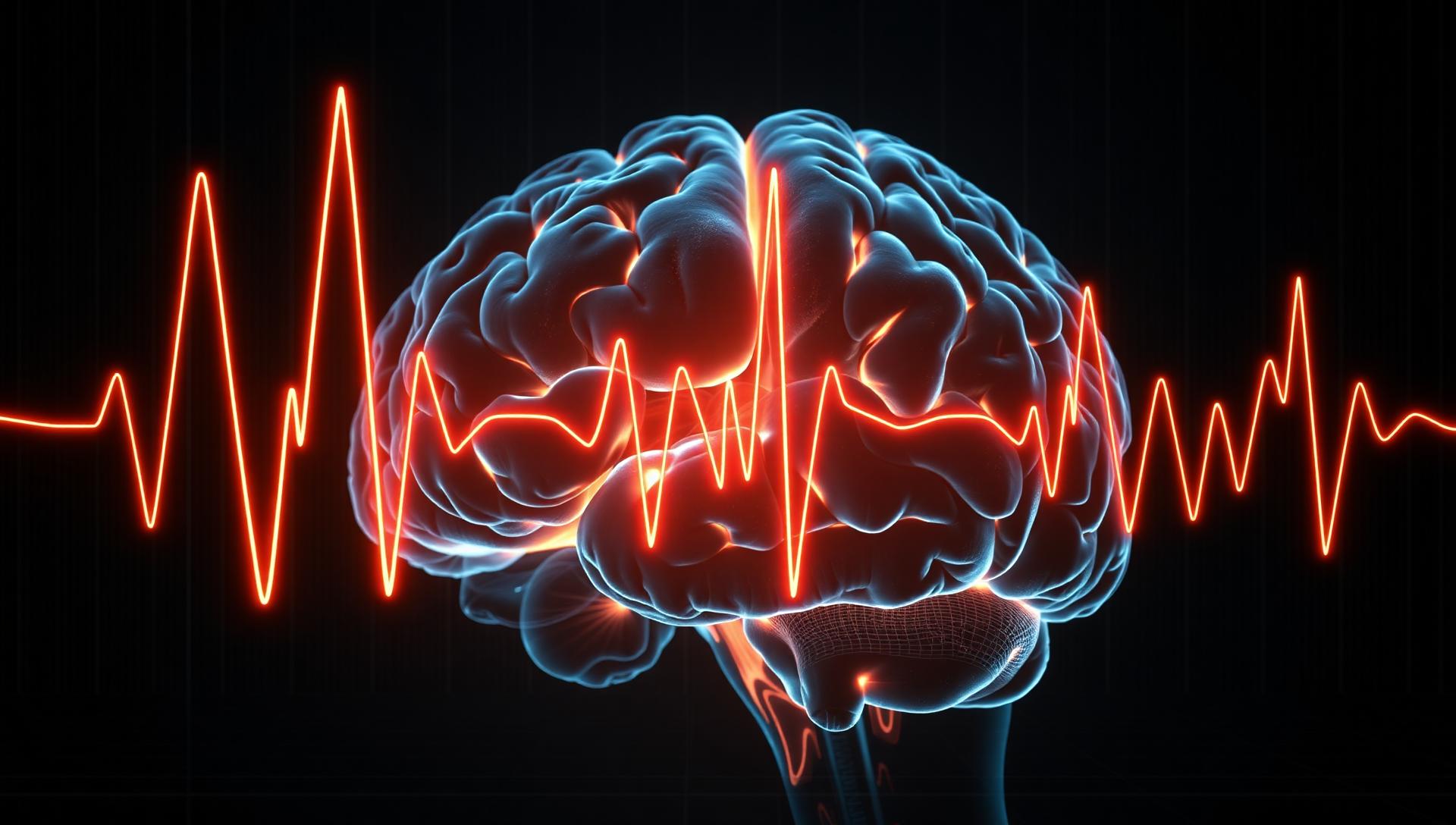
Rhythm and the Brain
How the brain locks onto a beat, why it moves the body without permission, and how rhythm is used in stroke and Parkinson's rehabilitation.
Hearing that moves
Auditory-motor coupling is unusually strong in humans. Grahn and Brett (2007) found that simply listening to a strongly metrical rhythm activated the basal ganglia and supplementary motor area, even when participants were instructed not to move. Chen, Penhune, and Zatorre (2008) added that the dorsal premotor cortex is recruited during rhythm perception in a way that scales with metrical complexity.
Rhythm in the clinic
Rhythmic auditory stimulation (RAS) uses a steady external beat (a metronome, or music with a strong pulse) to support gait in Parkinson's disease. A Cochrane-style meta-analysis by Ghai and colleagues (Scientific Reports, 2018) reported improvements in gait velocity, stride length, and cadence. Neurologic Music Therapy, developed by Thaut and colleagues, extends this to stroke and traumatic brain injury rehabilitation (Thaut & Hoemberg, 2014).
The Johns Hopkins Center for Music & Medicine and similar programs at Harvard, Stanford, and Cleveland Clinic investigate rhythm- and music-based approaches for conditions including Parkinson's, stroke, epilepsy, and Alzheimer's disease. The field frames these interventions as adjunctive - not replacements for standard care.
Why rhythm feels social
Moving in time with others has been repeatedly linked to increases in cooperation, trust, and prosocial behavior in both children and adults (Kirschner & Tomasello, 2010). Rhythm appears to be part of how humans build social bonds, from lullabies to communal dance.
Frequently asked questions
- Why do we automatically tap along to music?
- Auditory input has strong, direct connections to motor circuits. Even passive beat listening activates the basal ganglia, supplementary motor area, and cerebellum - the same systems that plan movement (Grahn & Brett, 2007).
- What is neural entrainment?
- Neural entrainment refers to the alignment of neural oscillations with periodic external stimuli, such as a beat. Evidence for auditory-motor entrainment is strong; broader claims about 'brainwave entrainment' from ambient sound are more mixed (Nozaradan et al., 2011).
- Can rhythm help with Parkinson's disease?
- Rhythmic auditory stimulation (RAS) - walking to a steady beat - has evidence for improving gait speed, stride length, and cadence in Parkinson's disease. Cochrane reviews find modest but meaningful benefits (Ghai et al., 2018).
- Is beat perception uniquely human?
- Flexible beat perception across tempos appears rare in the animal kingdom. Some vocal-learning species - certain parrots, for example - can synchronize to a beat, supporting a link between vocal learning and rhythm (Patel et al., Current Biology, 2009).
References & further reading
- Grahn, J. A., & Brett, M. (2007). Rhythm and beat perception in motor areas of the brain. Journal of Cognitive Neuroscience, 19(5), 893-906 DOI: 10.1162/jocn.2007.19.5.893
- Chen, J. L., Penhune, V. B., & Zatorre, R. J. (2008). Listening to musical rhythms recruits motor regions of the brain. Cerebral Cortex, 18(12), 2844-2854 DOI: 10.1093/cercor/bhn042
- Nozaradan, S., Peretz, I., Missal, M., & Mouraux, A. (2011). Tagging the neuronal entrainment to beat and meter. Journal of Neuroscience, 31(28), 10234-10240 DOI: 10.1523/JNEUROSCI.0411-11.2011
- Ghai, S., Ghai, I., Schmitz, G., & Effenberg, A. O. (2018). Effect of rhythmic auditory cueing on parkinsonian gait: A systematic review and meta-analysis. Scientific Reports, 8, 506 DOI: 10.1038/s41598-017-16232-5
- Thaut, M. H., & Hoemberg, V. (Eds.) (2014). Handbook of Neurologic Music Therapy. Oxford University Press
- Kirschner, S., & Tomasello, M. (2010). Joint music making promotes prosocial behavior in 4-year-old children. Evolution and Human Behavior, 31(5), 354-364 DOI: 10.1016/j.evolhumbehav.2010.04.004
- Patel, A. D., Iversen, J. R., Bregman, M. R., & Schulz, I. (2009). Experimental evidence for synchronization to a musical beat in a nonhuman animal. Current Biology, 19(10), 827-830 DOI: 10.1016/j.cub.2009.03.038
Related articles
This article is an educational summary of publicly available research and is not medical advice. It does not diagnose, treat, or cure any medical or psychiatric condition. Where evidence is emerging or mixed, we say so. Consult a qualified professional for personal guidance.