How the Brain Processes Music
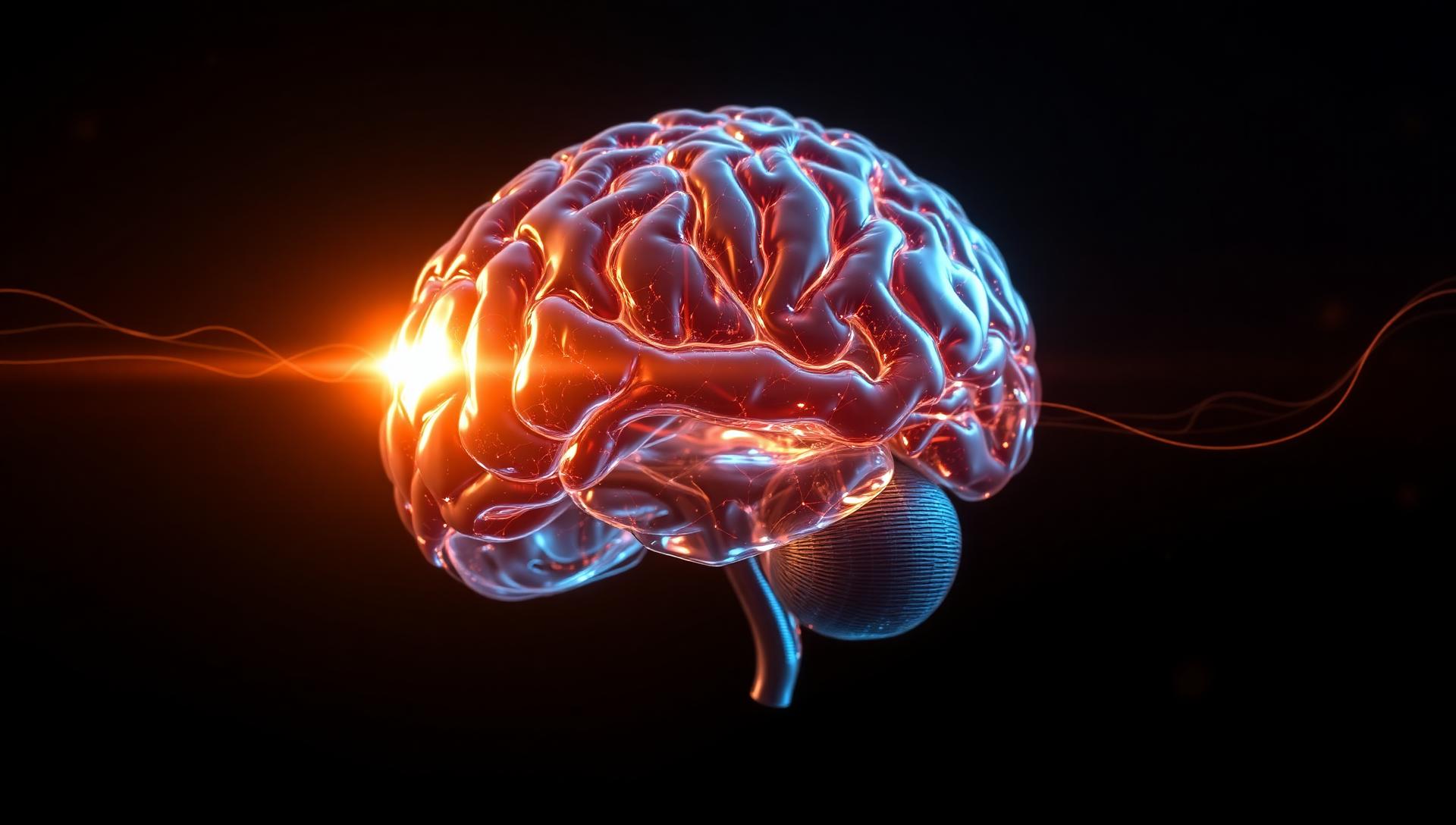
Music is not handled by a single 'music center.' It emerges from a distributed network spanning auditory, motor, memory, and reward systems.
A distributed network
Musical experience is built from many streams processed in parallel. The auditory cortex extracts pitch, timbre, and spectral features. The superior temporal gyrus supports melodic contour and harmonic analysis. Motor and premotor cortex, supplementary motor area, cerebellum, and basal ganglia handle rhythm and beat prediction. The hippocampus and medial temporal lobe encode musical memory. The amygdala and insula tag musical events with emotional and bodily significance. The prefrontal cortex tracks structure and expectation. The nucleus accumbens and ventral tegmental area contribute to pleasure and reward (Peretz & Zatorre, 2005; Koelsch, 2014).
- Pitch & Melody
Auditory cortex and superior temporal regions extract pitch relationships and melodic contour.
- Rhythm & Beat
Motor cortex, SMA, cerebellum, and basal ganglia predict and align with temporal structure.
- Harmony & Structure
Inferior frontal areas including regions overlapping with language processing track long-range structure.
- Emotion
Amygdala, insula, and ventral striatum tag musical events with feeling and bodily response.
- Memory
Hippocampus and medial temporal cortex bind melodies to autobiographical context.
- Reward
Dopaminergic pathways involving the nucleus accumbens contribute to musical pleasure.
Amusia: what happens when the network breaks
Congenital amusia - sometimes called tone-deafness - affects roughly 1.5% of the population and is characterized by lifelong difficulty perceiving pitch changes despite normal hearing and intelligence. Studies show altered connectivity between right auditory cortex and inferior frontal regions (Peretz, 2016). In acquired cases after stroke, patients can lose specific musical abilities while sparing others - a natural experiment showing that music is not a monolithic capacity.
Why passive listening moves us
Grahn and Brett (2007) showed that simply listening to strongly metrical rhythms activates the basal ganglia and supplementary motor area even when listeners are asked to stay still. This auditory-motor coupling is likely part of why humans across cultures spontaneously move to music, and why rhythm can be used in rehabilitation of gait and speech (see Rhythm and the Brain, and Music Therapy).
Frequently asked questions
- Is there a 'music center' in the brain?
- No. Music engages a distributed network including auditory cortex, motor and premotor areas, cerebellum, basal ganglia, hippocampus, amygdala, insula, and prefrontal and reward regions (Peretz & Zatorre, 2005).
- Do lyrics and melody share the same neural systems?
- They overlap but are partly separable. Lesion and imaging studies show that some patients can lose the ability to recognize melodies while retaining speech, and vice versa - a dissociation known as amusia (Peretz, 2016).
- Why does listening to music activate motor areas?
- The auditory-motor coupling is strong. Even passive listening to a beat engages premotor cortex, supplementary motor area, cerebellum, and basal ganglia - one reason we tap our feet without meaning to (Grahn & Brett, 2007).
- What is 'chills' or 'frisson' from music?
- Intense musical pleasure - sometimes accompanied by chills - is associated with dopamine release in reward pathways and with activity in emotion-processing regions such as the insula (Salimpoor et al., 2011).
References & further reading
- Peretz, I., & Zatorre, R. J. (2005). Brain organization for music processing. Annual Review of Psychology, 56, 89-114 DOI: 10.1146/annurev.psych.56.091103.070225
- Koelsch, S. (2014). Brain correlates of music-evoked emotions. Nature Reviews Neuroscience, 15(3), 170-180 DOI: 10.1038/nrn3666
- Patel, A. D. (2003). Language, music, syntax and the brain. Nature Neuroscience, 6(7), 674-681 DOI: 10.1038/nn1082
- Grahn, J. A., & Brett, M. (2007). Rhythm and beat perception in motor areas of the brain. Journal of Cognitive Neuroscience, 19(5), 893-906 DOI: 10.1162/jocn.2007.19.5.893
- Peretz, I. (2016). Neurobiology of congenital amusia. Trends in Cognitive Sciences, 20(11), 857-867 DOI: 10.1016/j.tics.2016.09.002
- Salimpoor, V. N., Benovoy, M., Larcher, K., Dagher, A., & Zatorre, R. J. (2011). Anatomically distinct dopamine release during anticipation and experience of peak emotion to music. Nature Neuroscience, 14(2), 257-262 DOI: 10.1038/nn.2726
Related articles
This article is an educational summary of publicly available research and is not medical advice. It does not diagnose, treat, or cure any medical or psychiatric condition. Where evidence is emerging or mixed, we say so. Consult a qualified professional for personal guidance.